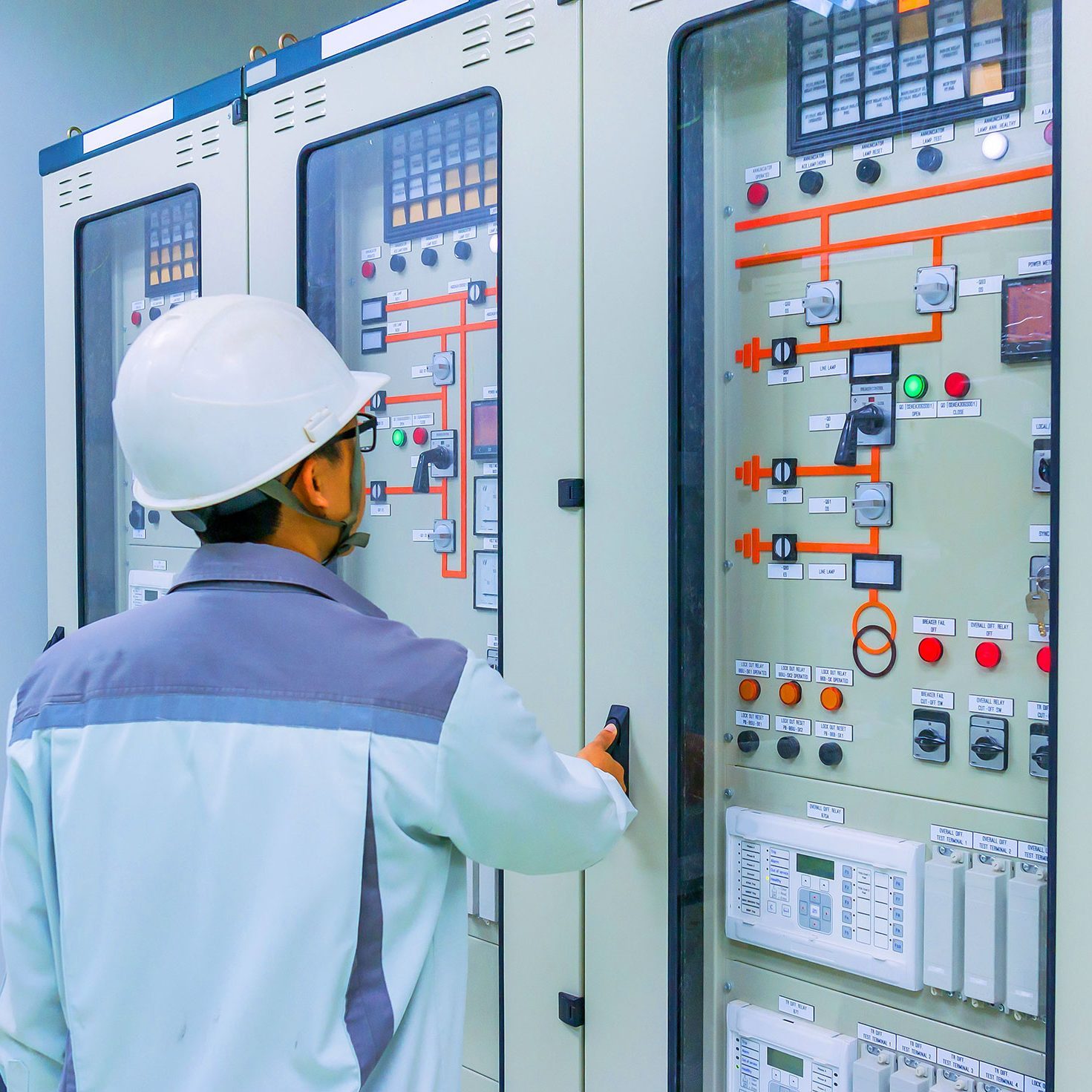
Many control systems fail not because of poor technology, but because they are not designed around the people who use them every day. Complex interfaces, unclear alarms, and inefficient workflows increase operator fatigue and error rates. Effective control system design starts with understanding real plant operations.
At Advanced Process Solutions, operator involvement is a critical part of the design process. By engaging operators early and incorporating their feedback, systems become more intuitive, safer to operate, and easier to maintain over time.
“The best control systems are built by listening to operators who live with them every day, not just engineers behind a desk.”
Operator-Centered Design Improves Performance
Designing around real operators means simplifying interfaces, improving alarm clarity, and aligning system workflows with actual plant procedures. This approach reduces training time, minimizes mistakes, and improves response during abnormal conditions. When operators trust their systems, overall plant performance improves.
Operator-focused design also helps identify inefficiencies that may not be visible during traditional engineering reviews, leading to more practical and sustainable solutions.
Building Systems That Support Daily Operations
Control systems must support long shifts, high-pressure situations, and evolving operational demands. Designing for long-term usability includes consistent HMI standards, clear navigation, and scalable architectures that allow systems to grow without increasing complexity.
By combining engineering best practices with real-world operational insight, control systems become tools that support operators—not obstacles they have to work around.
Operator Workflow Integration
Alarm Rationalization
HMI Standardization
Designing systems with the operator in mind improves safety, reliability, and long-term operational efficiency while reducing costly redesigns and rework.